

III: Culture - Technology
Expand your reach through social media with intention and authenticity.
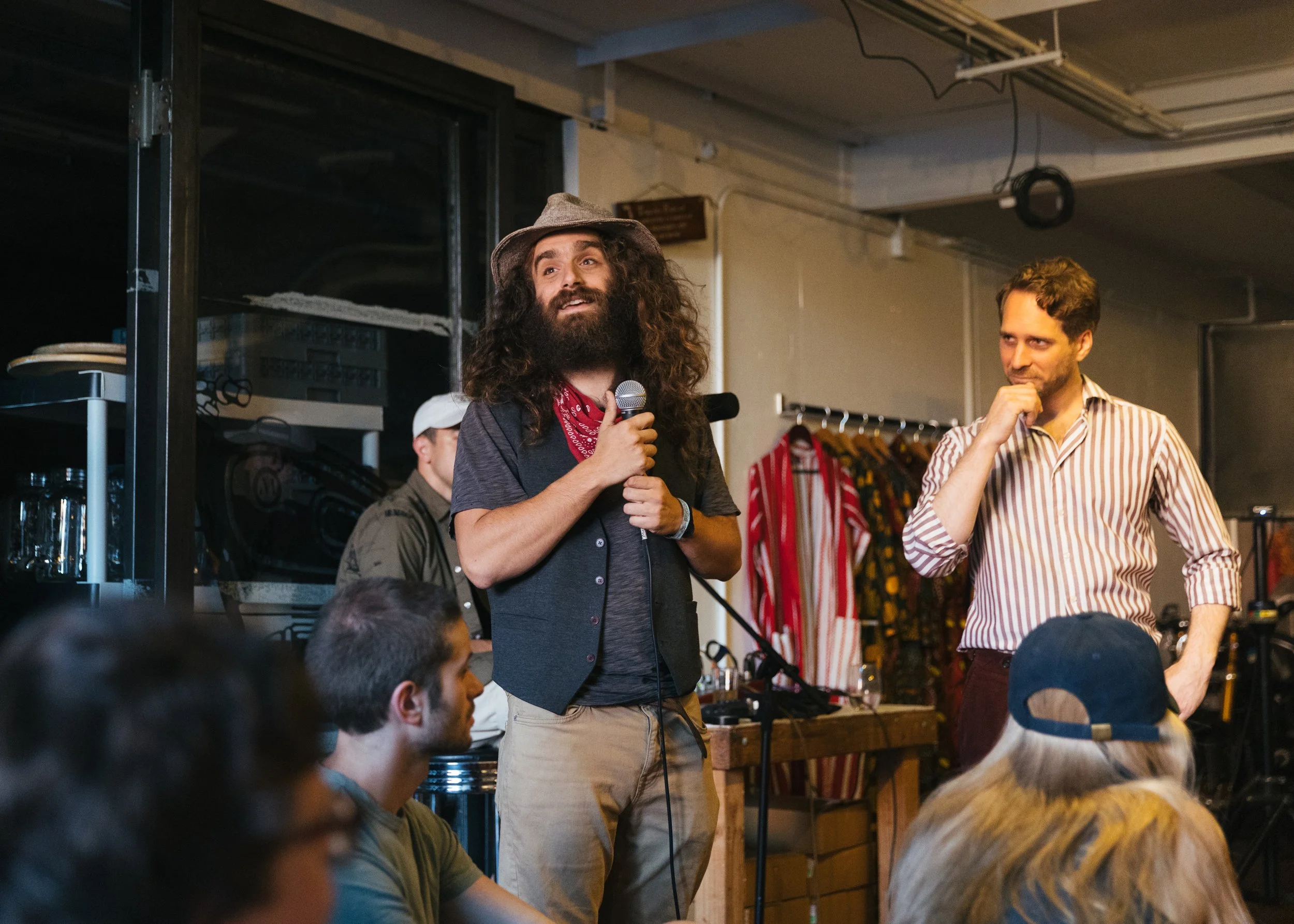
Sam hosting a groupmuse in Bushwick, Brooklyn
I. Performance as Ritual
From Self to Space: Moving from "Part One" (centering the self) to "Part Two" (bringing the craft into the world).
Music as a Presupposition: Music is a performance art that requires a specific Time and Place to exist.
The Energy of Intent: The intentions of those who manage a space—whether artistic or extractivist—will be felt by the audience, even if only subtly.
II. Choosing the Ideal Host
The Role of the Host: Your job is to "present the magic"; the host’s job is to "hold the space" and manage the hospitality.
Alignment of Vision: You must feel a physical sense of ease and transparency when communicating your vision to your host.
The Body as a Compass: Listen to your intuition. If you feel tension or find yourself "holding back" during initial conversations, there is a misalignment.
III. Identifying Red Flags
Transactional Motives: The host wants to use your performance to impress their own patrons or clients rather than serving your message.
Lack of Reverence: The host treats music as "fancy wallpaper" or background noise rather than the centerpiece of the gathering.
Incompetence: Unreliability, slow communication, or a "herding cats" feeling indicates they will not be a supportive partner on show day.
IV. Host as Community Builder
The "Impresario" Myth: A host doesn't need to be a classical music expert; they need to be a Community Ambassador.
Dedicated Organizers: Look for people who are skilled at bringing people together (e.g., farmers' market organizers or community leaders).
The Evolutionary Purpose: A great host understands that the primary goal of the event is to foster togetherness and collective change.
-
Add a short summary or a list of helpful resources here.