

II: Ritual - Invoking Magic
Redefine the audience’s expectations of what a classical music concert can be.
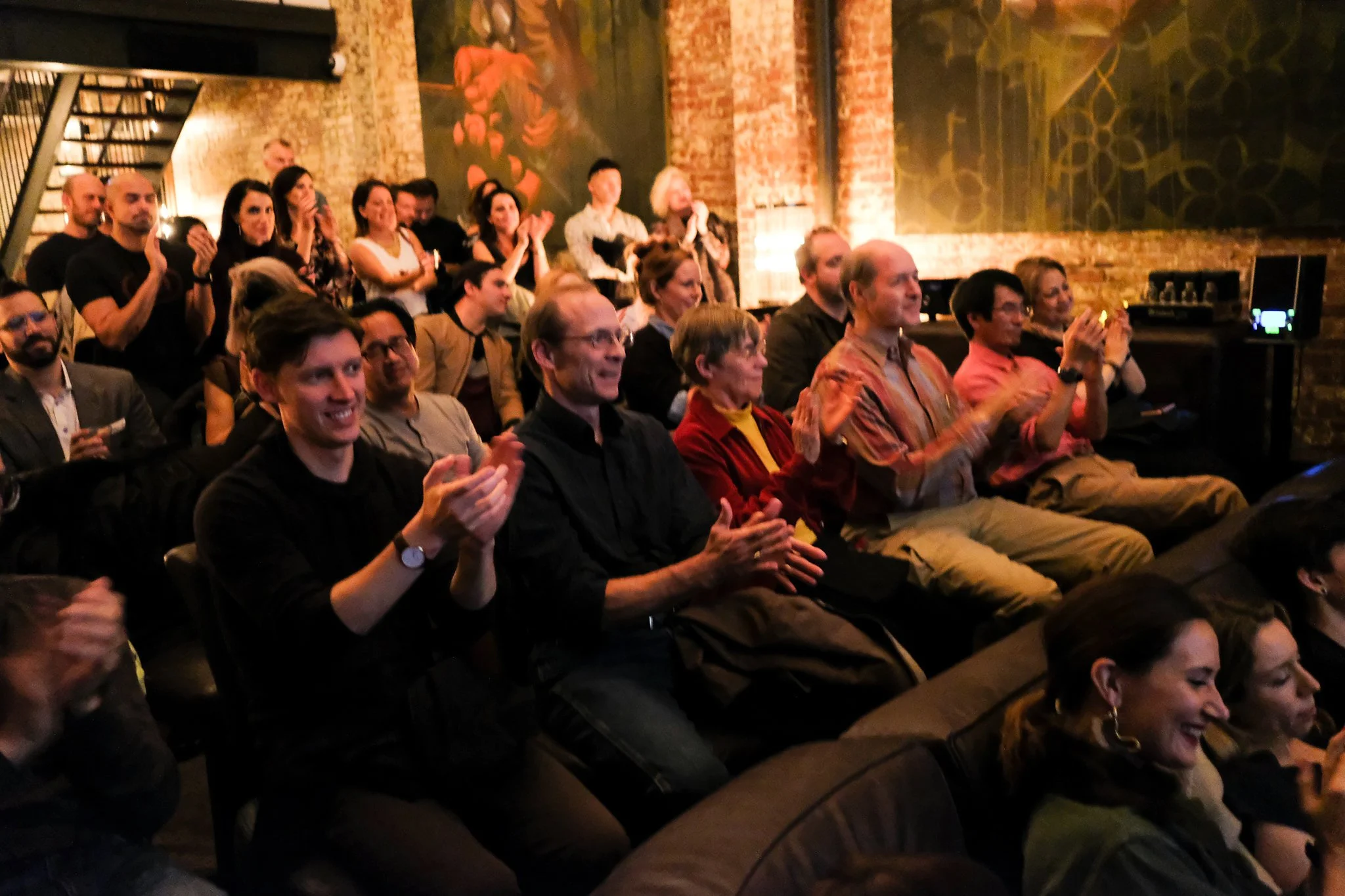
Audience in NoHo, NYC
I. The Core Philosophy: You Are the Ceremonialist
The performance is more than just playing notes; it is a curated experience where the performer serves as a bridge between the past and the present.
The Three Pillars:
The Magician: The performer’s skill and presence.
The Story: The curated program and its narrative arc.
The Audience: The final, vital ingredient in the experience.
The Role of Service: Understanding that you are a link in a chain that began long before you—standing in a position of both power and vulnerability.
II. Deconstructing the "Default Model"
To create a new experience, we must first identify the "preconceptions" and "decorum" that stifle modern performances.
The "Stock Still" Problem: Why the tradition of suppressing enthusiasm (e.g., not clapping between movements) can alienate an audience.
The Fear of the "Wrong" Time: How the fear of breaking etiquette prevents the audience from bringing their "full selves" to the music.
Leaving Preconceptions at the Door: Encouraging a mindset shift for both the performer and the listener.
III. The Power of Polarity: Silence and Sound
Intentionality is found in the space between the notes. Participants are encouraged to consciously manage the energy of the room.
Inviting Enthusiasm: * Allowing for "yelps of delight," gasps, and mid-movement applause.
Validation of genuine, earnest impulses over rigid rules.
The Pregnant Pause:
Using intentional silence to let the music "move through the body."
Exercise: Experimenting with a "two-minute silence" after the final movement to prevent the music from being "washed away" by immediate applause.
Contextual Silence: Understanding that silence is always conditioned by the sounds that preceded it.
IV. Managing the Audience Experience
A performer must be explicit about the "rules of engagement" for their specific ritual.
Setting the Stage: Clearly communicating expectations—when to clap, when to hold silence, and when to engage.
Opening the Door to Curiosity: * Inviting questions between movements.
Post-performance Q&A sessions.
Humanizing the Expert: Recognizing that the audience is curious about your path and your "magic."
V. Practical Application: Designing Your Ritual
Intentional Choice: There is no "best way," only a "chosen way."
Clarity and Boldness: The importance of being explicit with the crowd to remove their preoccupation with behavior.
Renewing the Ritual: How clarity of intention releases the audience’s curiosity and empathy.
Reflective Exercise
Think of a piece in your current repertoire. If you were to overturn all "standard" assumptions about its performance, where would you invite a yelp of excitement, and where would you demand a two-minute silence? How would you explain this choice to your audience?
-
Add a short summary or a list of helpful resources here.